
The quality of the air inside your home plays a major role in your comfort and health. Poor indoor air quality can trigger allergy symptoms, headaches, and fatigue, especially for those with asthma or other respiratory conditions. The good news? You don’t need to replace your HVAC system to make a difference. A few simple steps can noticeably improve the air your family breathes every day.
1. Change Your Air Filter Regularly
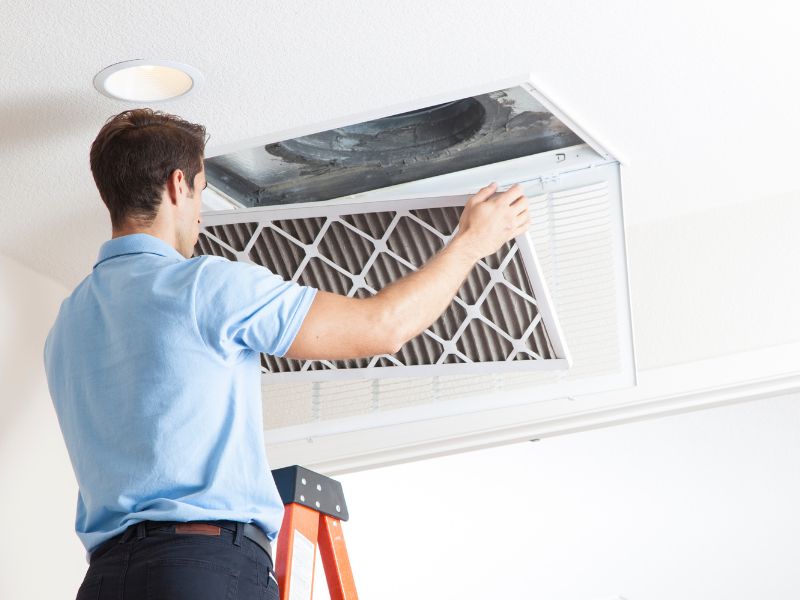
Your HVAC filter helps trap airborne dust, pollen and pet dander before they circulate through your home. When the filter gets clogged, it stops working effectively and can reduce airflow and indoor air quality. Most filters should be replaced every 1 to 3 months, more often if you have pets or allergies. Clean filters help your system run more efficiently while improving the air you breathe.
Different types of filters offer varying levels of filtration. Standard fiberglass filters capture larger particles but may let smaller ones pass through, while pleated or high-efficiency filters do a better job of trapping finer dust and allergens. Choosing the right filter for your home and lifestyle can make a big impact on overall air quality.
2. Keep Dust and Allergens Under Control
Dust is more than just a mess, it’s filled with particles that can affect breathing and comfort. Vacuuming, dusting and washing linens regularly helps reduce allergens like pollen, pet hair and mold spores. Don’t forget to clean vents, fans and baseboards. Reducing clutter also makes it easier to clean and helps prevent dust from building up in forgotten spaces.
3. Let Fresh Air In
Sealed homes are great for efficiency but can trap stale air and indoor pollutants. On mild days, open a few windows to let fresh air in and push old air out. If outdoor air isn’t an option, use ceiling fans to improve airflow. Even short bursts of ventilation can help refresh the air in your home. Improving airflow helps reduce indoor pollutants and creates a healthier, more balanced environment throughout your home.
4. Control Humidity Levels
Humidity plays a big role in indoor air quality. When there’s too much moisture in the air, it can lead to mold, mildew and musty odors. On the other hand, very dry air can cause discomfort like dry skin and irritated sinuses. Aim to keep indoor humidity between 30% and 50% for the best balance of comfort and air quality.
Maintaining proper humidity also helps protect your home. Excess moisture can damage wood floors, drywall and window frames over time, while overly dry air may cause wood trim and furniture to crack. Keeping humidity in check supports both your health and your home’s condition.
5. Schedule Routine HVAC Maintenance
Your HVAC system directly affects your indoor air. Dusty coils, blocked drains or worn parts can all impact performance and air quality. Regular maintenance helps your system stay clean and efficient. At Your Service Heating and Air offers a Peace of Mind Maintenance Program that includes two seasonal visits, a 26-point inspection, priority scheduling, no after-hours fees and up to 10% off repairs. This plan keeps your system running smoothly and your air cleaner year-round.
When your HVAC system is clean and operating correctly, it circulates air more effectively throughout your home. That means fewer hot and cold spots, better airflow and less chance of airborne particles building up in certain rooms. Clean systems don’t just last longer, they help you breathe better, too.
Breathe Easier with Simple Solutions
Improving indoor air quality doesn’t have to be complicated. Changing filters leaning reducing dust and keeping your HVAC system maintained can make a big difference. If you’re ready to take control of your air, contact At Your Service Heating and Air and ask about our Peace of Mind Maintenance Program and the ventilation and indoor air quality solutions we offer. We’re here to help you breathe easier every day.